
“Goodbye” to toilet paper in 2026: a new alternative for bathrooms has emerged and is already gaining popularity around the world
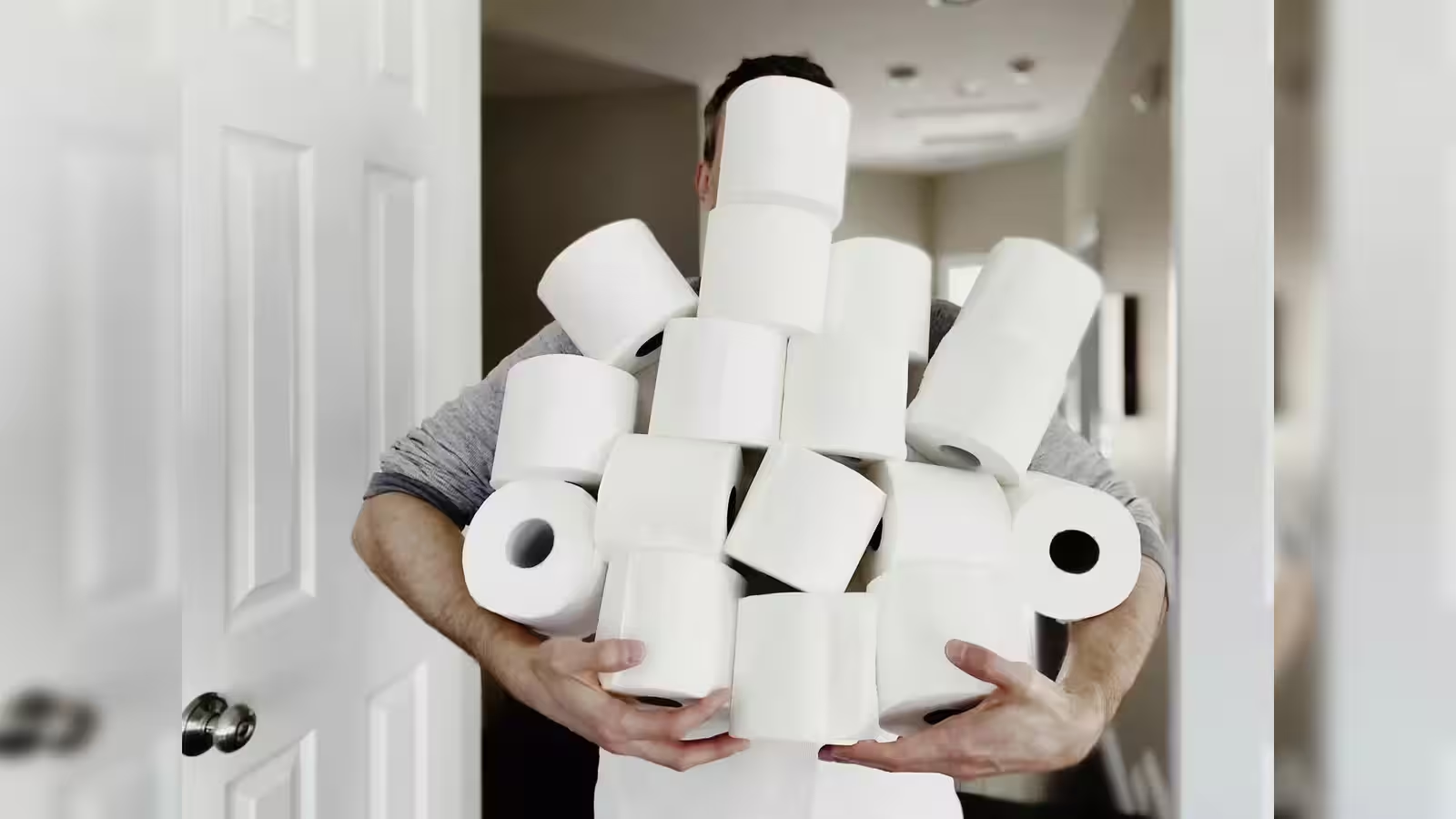
For decades, the toilet paper roll has been the one bathroom fixture nobody ever questioned. It survived supply-chain bottlenecks, price hikes, and even the panic-buying waves of 2020. Yet across homes in North America and Europe in 2026, that familiar cardboard tube is quietly losing its monopoly. Driven by a mix of smart-home comfort, better hygiene, and rising household costs, a water-based alternative long standard in Japan is rapidly becoming the biggest bathroom upgrade of the year.
How the Modern Washlet Works
Known interchangeably as a washlet, smart toilet, or electronic bidet seat, the technology merges a standard toilet with a precision water-cleansing system. Once seen only in five-star hotels or during trips to Tokyo, these fixtures are now treated by interior designers as a standard feature in everyday bathroom remodels.
Instead of relying on dry paper, the unit uses a targeted stream of water with customizable pressure, angle, and temperature. Higher-end models add heated seats, warm-air dryers, automatic lids, and self-sanitizing nozzles. For most first-time users, the appeal has less to do with futuristic gadgets and more to do with basic comfort: water simply cleans better and causes far less skin irritation than repeated wiping.
Three Reasons Behind the 2026 Shift
Several practical factors explain why households outside Asia are finally making the switch:
 Pappagalli verdi nei parchi italiani: da dove arrivano e perché gli esperti sconsigliano di dar loro cibo o toccarli
 Grammy Awards 2027, record storico nella musica mondiale: per la prima volta una canzone indipendente in lingua tamil conquista la nomination
 Il Tribunale di Milano commissaria la filiale italiana di Revolut per un anno
Peptidi biomimetici: i piccoli alleati della pelle possono davvero stimolare il collagene?
 Tragedia al raduno dei fan di Elisa a Bologna: muore una donna prima del concerto, l’artista in lacrime annulla lo show
- Higher hygiene standards: Washing with water removes residue more thoroughly than dry paper and minimizes direct hand contact.
- Everyday smart-home comfort: Connected appliances have moved into the bathroom, and stepping onto a heated seat on a freezing winter morning quickly wins over skeptics.
- Lower bills and less waste: Toilet paper is a single-use product made from virgin wood pulp. Switching to a washlet slashes paper consumption—even households that keep a roll on hand for quick drying end up buying a fraction of what they used to.
You Do Not Need a Full Bathroom Remodel
A common misconception is that adopting this trend requires ripping out your plumbing for an expensive smart toilet. In reality, two budget-friendly options attach directly to the toilet you already own:
- Electric bidet seats: These replace your existing toilet lid and connect to the water supply valve behind the bowl. If you want warm water and a heated seat, you only need a standard GFCI electrical outlet nearby.
- Non-electric bidet attachments: Slim, mechanical plates that slide right under your current toilet seat and operate with a small side dial. They run on cold water, require no electricity, and can be installed or removed in under 30 minutes—making them especially popular with renters.
A Few Practical Things to Keep in Mind
Switching to water does not mean skipping bathroom maintenance. While most units feature self-rinsing nozzles, the bowl and seat still need regular disinfecting, and homes with hard water should occasionally clear mineral buildup from the spray tip just as they would with a showerhead. Checking the clearance around your toilet and the distance to the nearest power outlet before ordering will also save installation headaches.
The toilet paper holder is not vanishing overnight, but in more and more bathrooms, it has officially been demoted from daily essential to backup accessory.
Pappagalli verdi nei parchi italiani: da dove arrivano e perché gli esperti sconsigliano di dar loro cibo o toccarli
Grammy Awards 2027, record storico nella musica mondiale: per la prima volta una canzone indipendente in lingua tamil conquista la nomination
Il Tribunale di Milano commissaria la filiale italiana di Revolut per un anno

L'Argomento Quotidiano Redazione
L’Argomento, online all’indirizzo www.largomento.com, è una testata editoriale digitale dedicata all’informazione quotidiana in Italia e nel mondo. Il nostro obiettivo è raccontare ciò che accade con un linguaggio chiaro, diretto e comprensibile, offrendo ai lettori notizie, approfondimenti e contenuti di attualità senza inutili complicazioni. Seguiamo ogni giorno gli argomenti che fanno parte della vita quotidiana e dell’interesse del pubblico: notizie, attualità, economia, salute, tecnologia, sport, cinema, spettacolo, gossip, viaggi e lifestyle.


Partecipa alla discussione
0 commenti